
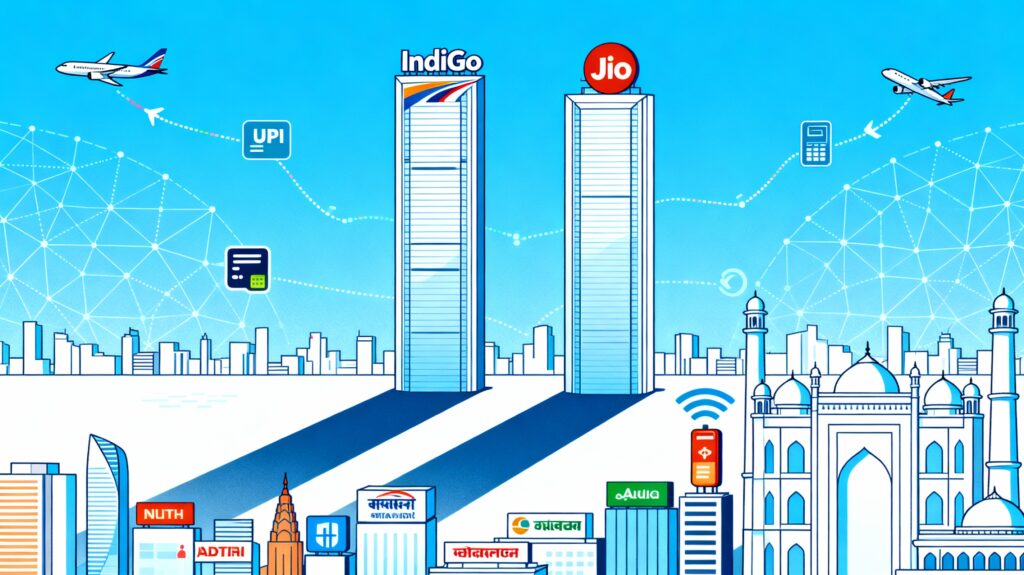
IndiGo’s recent flight cancellations have thrown India’s aviation sector into chaos, with over 2,000 flights cancelled and thousands of passengers stranded since early December 2025. The crisis, triggered by crew shortages and non-compliance with new Flight Duty Time Limitations (FDTL) rules, has exposed how much India’s skies—and its economy—are now reliant on a single giant. IndiGo holds a staggering 64-65% of the domestic aviation market, leaving little room for competitors like Air India, SpiceJet, or newer entrants. The DGCA and government have stepped in with show-cause notices and punitive flight reductions, but the regulatory response now seems to be bending to accommodate the giant’s operational challenges.
The IndiGo Effect: When One Giant Stumbles
With IndiGo’s dominance, any major disruption ripples across the entire system. The airline’s repeated cancellations have not just inconvenienced travelers; they’ve forced the government to double down on flight cuts, issue refunds, and even temporarily relax safety norms to help stabilize operations. This situation mirrors the telecom sector, where Jio and Airtel dominate, and a halt in their services would cripple UPI payments, digital bookings, and even route navigation for millions who rely on Google Maps. The pattern is clear: as India’s economy leans on fewer, bigger players, the risks of systemic failure grow.
Monopoly or Capitalism? The Fine Line
India’s economy is officially a mixed model, but the rise of monopolistic giants in aviation, telecom, and digital payments is pushing the boundaries. IndiGo’s near-monopoly in aviation and Jio’s dominance in telecom and UPI payments highlight a shift toward a “capitalist monopoly”—where market efficiencies come at the cost of competition and consumer resilience. When one giant stumbles, the entire system feels the tremor, and regulators are forced to play catch-up, sometimes bending rules to restore order.
What If the Giant Falls?
Imagine a scenario where IndiGo suddenly stops operations. Thousands would be stranded, supply chains disrupted, and alternate carriers overwhelmed. Similarly, if Jio’s network went down, UPI payments would freeze, digital bookings would collapse, and even navigation apps would fail for those who no longer carry physical maps or cash. The dependency on a handful of giants is not just a business risk—it’s a national vulnerability.
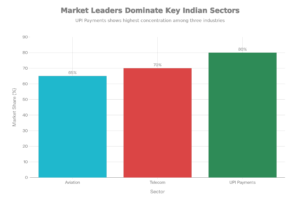
Table: Market Dominance in Key Sectors
| Sector | Leading Player(s) | Market Share | Regulatory Pressure | Consumer Vulnerability |
|---|---|---|---|---|
| Aviation | IndiGo | 64-65% | High (DGCA, Govt) | Very High |
| Telecom | Jio, Airtel | 70%+ | Moderate | High |
| UPI Payments | Jio, PhonePe | 80%+ | High | Extreme |
India’s journey from a mixed economy to a system where a few giants run the show is a double-edged sword. While it brings efficiency and innovation, it also creates fragility. As IndiGo’s crisis shows, when the giant stumbles, the whole system wobbles. The question isn’t just about capitalism or monopoly—it’s about balance. Let’s hope the system doesn’t need a “reset” every time the giant sneezes.