
Something shifted in me over the past few years. Not because of a new job, a promotion, or any dramatic external event, but because life pushed me inward. Losing people close to me—one relationship left unresolved, and later my father—quietly rearranged how I looked at everything. The day they left, the questions became sharper. Where does all the love, attachment, anger, effort, ambition go? What happens to the things and people they cared about?
Those moments changed me. I no longer evaluate my life or my work through productivity, status, or the usual checkboxes. What matters now is simpler and far more difficult: how I feel, how I think, how I value myself, and how I allow myself to be valued. This is where my understanding of a consciousness-based career began.
The Shift From Doing to Being
Earlier, my identity was tied to what I knew, what I achieved, or what people thought of me. But slowly the discussion inside me moved from having and thinking to simply being. Being is the part of us that isn’t performing or competing—it’s the natural self beneath roles, expectations, and old habits.
Even modern physics talks about consciousness as the foundation of reality. Vedanta has been saying this for thousands of years: I am, therefore thoughts arise. Not the other way around.
When this clicks, you stop looking for the next milestone to give you meaning. You start asking a quieter, deeper question: Does my work reflect who I truly am?
Inner Alignment and Svabhava
In Vedantic thought, a fulfilling career isn’t about prestige or pay. It’s about svabhava—your natural temperament and strengths—and svadharma, the unique path that feels right because it arises from your true nature.
A consciousness-based career begins here. It encourages you to pause and ask:
-
Is my work aligned with my values?
-
Does it express my strengths or suffocate them?
-
Am I choosing this path out of awareness or fear?
Practices like meditation, self-inquiry, and stillness aren’t spiritual decorations; they help you hear your own mind clearly enough to answer these questions honestly.
Productivity Comes From Consciousness, Not Just Skill
Today, mental peace and calmness matter more to me than perfect outcomes. Traditional success rests on skill and output, but real productivity grows out of inner clarity. When the mind is settled, we work with purpose and steadiness. When it isn’t, anxiety, exhaustion, or conflict creep in.
Burnout, bad decisions, conflict, and self-doubt—they all rise from a disorganised inner state. A consciousness-based career turns this around. It emphasises routines and practices that nourish your physical, emotional, and mental balance.
Emotional Intelligence and Workplace Well-Being
Consciousness work naturally builds emotional intelligence. You become less reactive, more aware of what you feel, and more understanding of what others feel. Challenges don’t disappear, but you respond instead of exploding or shrinking.
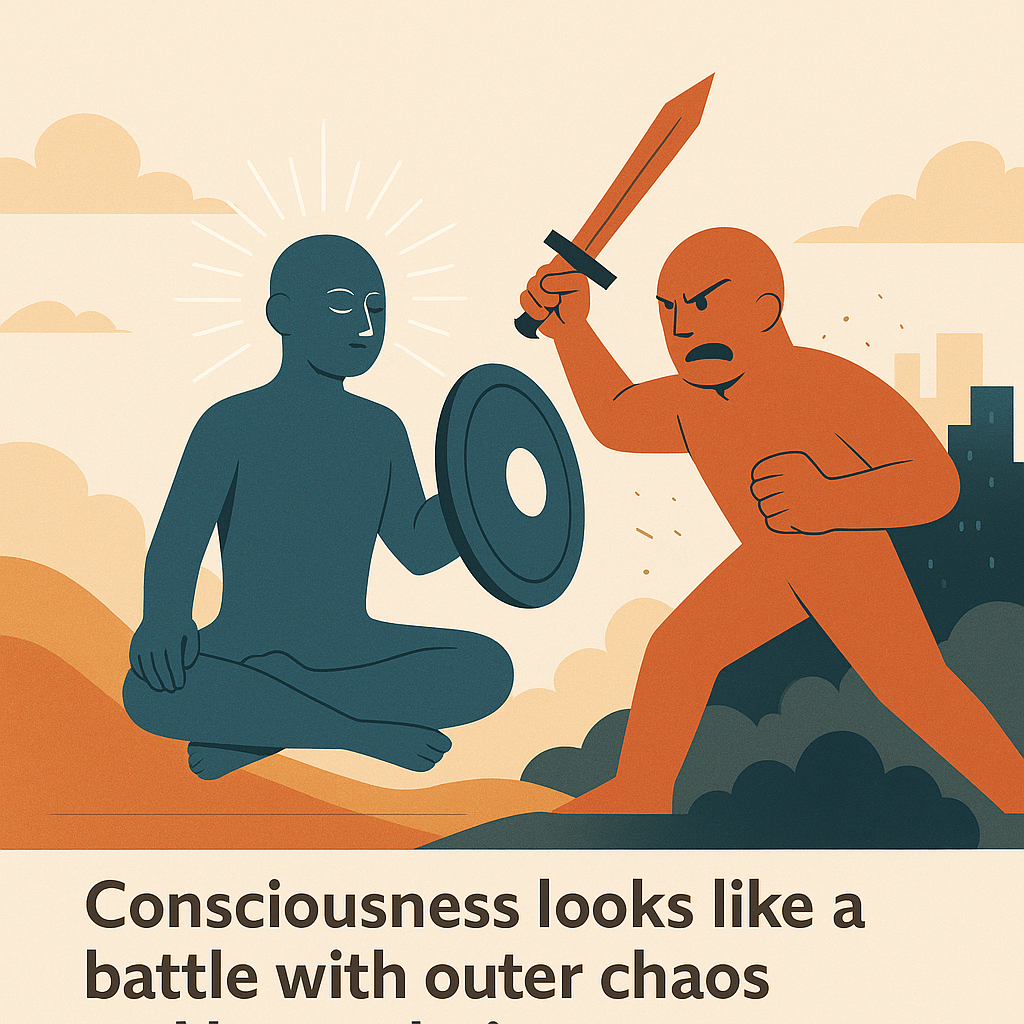
This shifts relationships too. People trust you more. Teams function better. Leaders make clearer decisions. The workplace becomes less of a battlefield and more of a place where real ideas can breathe.
Consciousness Creates a Ripple Effect
Inner calm doesn’t stay private—it radiates outward. Deep rest, meditation, or any practice that expands awareness changes the emotional climate around you. One grounded person can shift an entire room. There’s research showing large-scale benefits when even a small percentage of people engage in such practices regularly.
In a career context, this makes growth feel less forced. Opportunities, collaborations, and goodwill come more naturally because your presence itself becomes stabilising and positive.
Consciousness in Action: From Gita to Modern Careers
The Gita suggests working with full dedication but without clinging to results. Not as resignation, but as freedom. When anxiety about outcomes loosens its grip, action becomes cleaner and more meaningful.
Vedanta’s four paths—jnana, bhakti, karma, and raja—can all shape a career:
-
Clarity of knowledge
-
Compassion and devotion
-
Selfless service
-
Discipline of mind and meditation
These aren’t religious ideas. They’re practical frameworks for showing up at work with integrity, awareness, and inner strength.
Where Consciousness-Based Careers Show Up
You see them most clearly in fields like:
-
Coaching and counseling
-
Education
-
Wellness and healing professions
-
Social impact and community leadership
-
Any work where service, clarity, and human connection matter
But truly, a consciousness-based career is not limited by industry. It’s a way of working, not a job title.
A New Kind of Professional Support
There’s now an emerging role—consciousness advisor—built around helping people realign their inner and outer lives. It includes simple daily practices, stress-management tools, environment design, and ongoing guidance. The idea is to strengthen the inner foundation so everything built on top becomes stronger.
What This Journey Really Offers
At its core, a consciousness-based career is about using work as a vehicle for self-discovery and service. It’s about aligning your inner world with your outer choices. It’s about living and working in a way that feels honest, purposeful, and peaceful.
When consciousness becomes the starting point, the rest of life begins to organise itself around clarity, meaning, and growth. And that, to me, feels like the most important shift of all